The Father – The Great Liberation of the Soul – The individuation process is a symbolic, world-creating matricide – The soul’s path to wholeness in the father principle of the Logos
The Liberation of the Soul – The Father Principle of the Logos
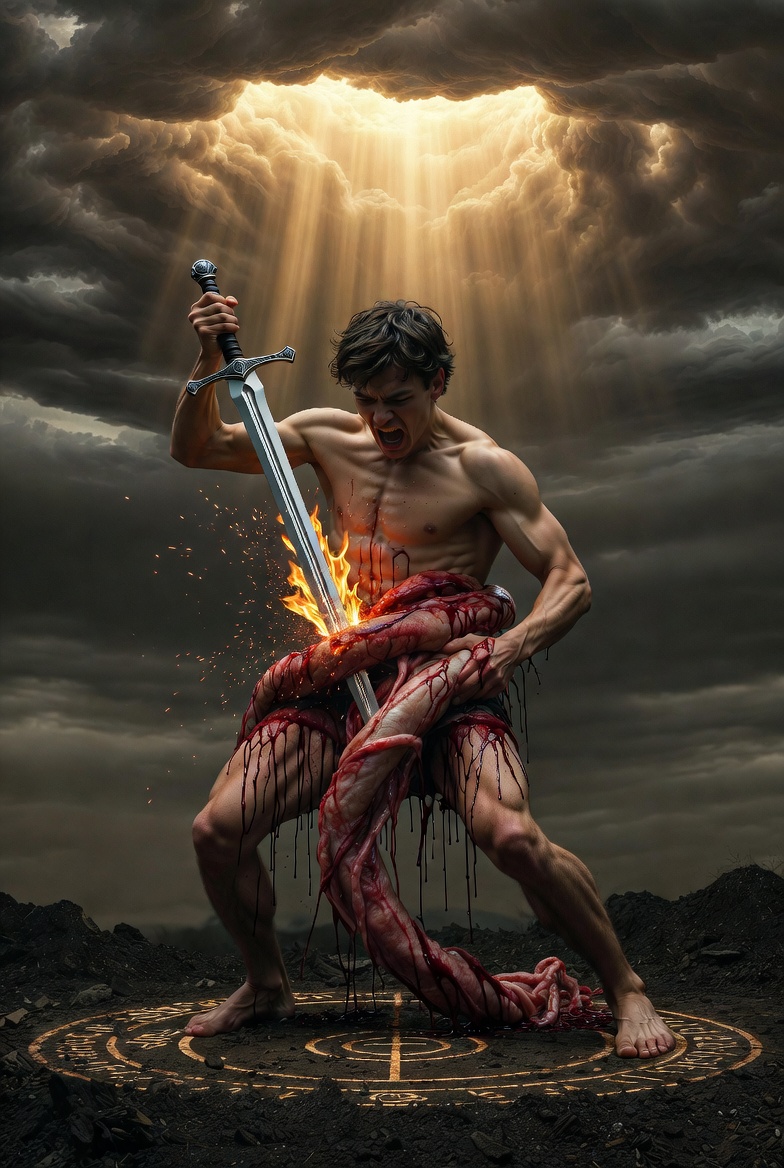
Dear brothers and sisters, there is no consciousness without the distinction of opposites. This is the father principle of the Logos, which, in an endless struggle, wrests itself from the primordial warmth and the primordial darkness of the maternal womb, namely, from unconsciousness. Fearing no conflict, no suffering, no sin, divine curiosity strives for birth. Unconsciousness is original sin, evil itself, for the Logos. Its world-creating act of liberation, however, is the symbolic matricide, and the spirit that ventured into all heights and depths must also suffer divine punishments. For neither can exist without the other, because both were one in the beginning and will be one again in the end. Consciousness can only exist with the constant recognition and consideration of the unconscious, just as all life must pass through many deaths.
The path to authentic masculinity requires detachment from the literal and symbolic bond with the mother, while simultaneously avoiding the opposite error of completely rejecting the feminine. This delicate balance—honoring the feminine while establishing male autonomy—is essential for male psychological maturation. Few men achieve this, as they instead remain in constant reaction to the feminine rather than in relationship with it.


Whoever finds the interpretation of these words will not taste death!
The Father Principle of Logos – The World-Creating Matricide
The symbolic matricide describes the individual's necessary act of psychological liberation from the original, unconscious bond to the mother (the mother archetype). This act marks the beginning of individuation, the path to an independent personality. To break free from the engulfing, regressive depths of the unconscious, the ego must activate the paternal principle of the Logos. While the mother represents the emotional, the generative, and also the holding, the Logos embodies the principle of mind, structured thought, differentiation, and law. The symbolic "murder" is thus not an act of destruction, but a definitive separation through insight: Through the paternal power of the Logos, the individual gains the capacity for logical analysis, sets clear boundaries, and develops an independent consciousness that no longer sinks into the collective unconscious.
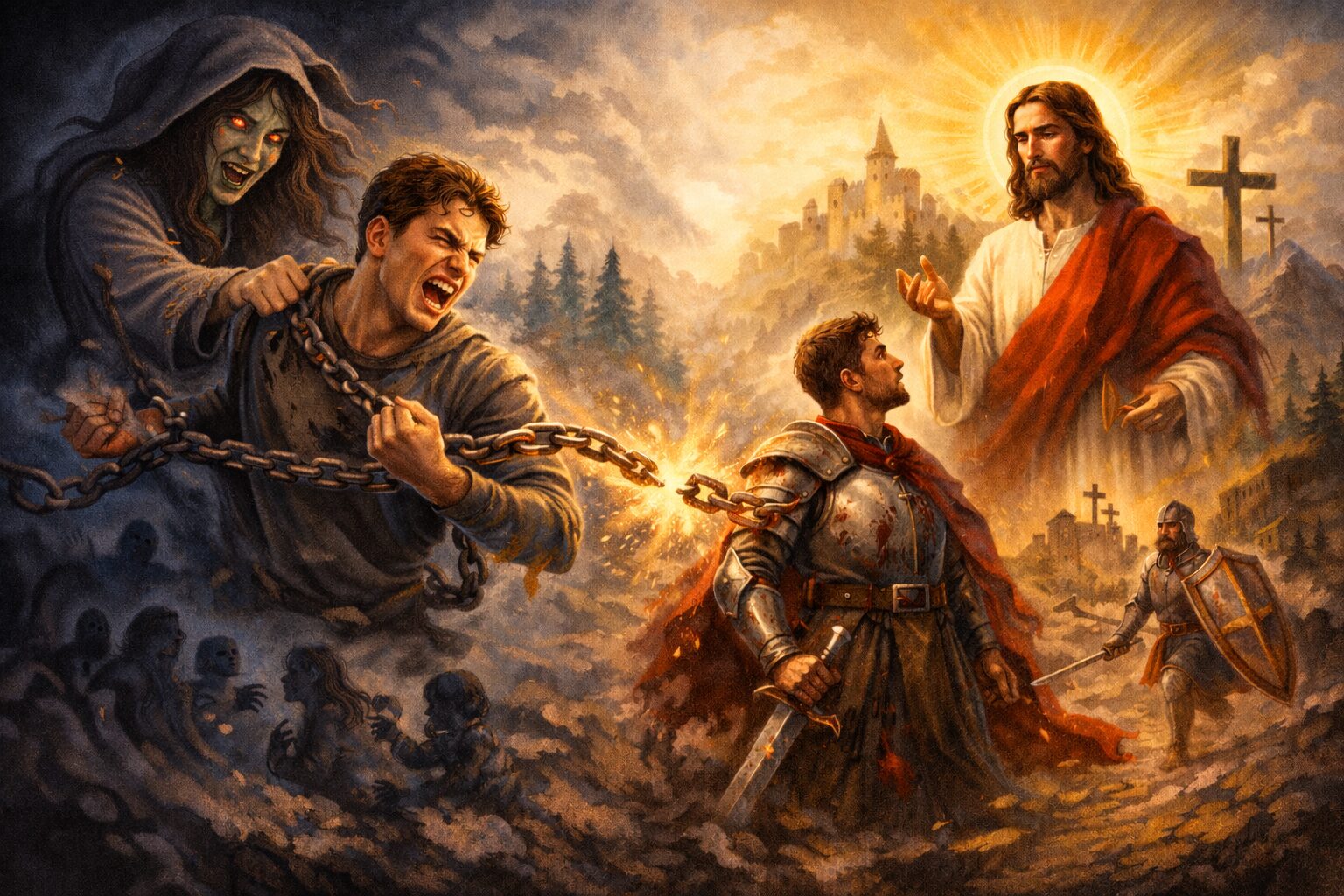
The first bearer of the soul image is the mother; later, it is those women who arouse the man's feelings, regardless of whether in a positive or negative sense. Because the mother is the first bearer of the soul image, separation from her is a delicate yet crucial matter of the utmost educational significance. Mere growing up and external separation are insufficient; particularly profound initiations and rebirth ceremonies are also necessary to effectively complete the separation from the mother (and thus from childhood).
Just as the father acts as a protector against the dangers of the external world and thus becomes the model of persona for the son, so too is the mother a protector against the dangers that threaten his soul from the darkness. In the initiations of men, the initiate therefore receives instruction about matters beyond (religion), which enables him to dispense with the protection of his mother.
We must dissolve our dependence on the symbolic mother in order to become men and fathers. All major transitions in life should be accompanied by rites of passage—rites of passage that help a man take or make up for the missed step across the threshold.

The Father Principle of Logos: The Father Archetype
Archetypes are the structural dominants of the collective unconscious, timeless patterns and primal forms of the human psyche. While the mother embodies the principle of Eros, connection, the womb, and nature, the father represents the principle of Logos. The father principle represents spirit, law, order, action, and the consciousness that arises from the unconscious matrix of nature.
The Essence of the Logos Principle
The father principle is primarily defined by the concept of Logos. In the ancient Greek sense, Logos means not only word or reason, but also the ordering principle of the world. Logos describes the capacity for differentiation, logical analysis, objectivity, and judgment.
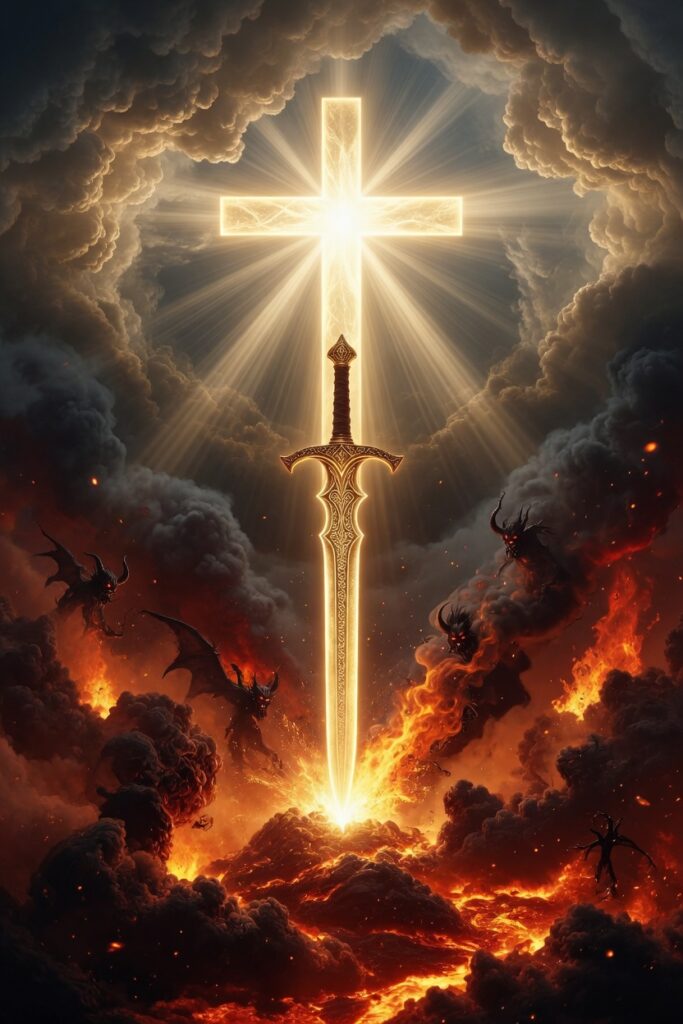
Where the mother principle (Eros) connects and fuses in the unconscious, the father principle (Logos) separates. It cuts like a sword through emotional entanglements to create clarity. The father archetype thus acts as a catalyst for the development of self-awareness. It calls upon the individual to leave the protective but stagnant space of the maternal primordial soup and enter the world of responsibility, culture, and civilization.
The Functions of the Father Archetype – The Logos
The father archetype manifests in the individual psyche as well as in society and culture through specific core functions:
- Order and Law: The father sets boundaries. He represents moral norms, the laws of a society, and the capacity for self-discipline. He is the structuring element that transforms chaos into cosmos.
- Mind and Intellect: While the mother is associated with matter (Latin materia, derived from mater), the father governs the mind. He represents ideas, abstraction, science, and religious systems.
- Protection and Orientation in the External World: The archetypal father protects the external environment. He teaches the individual how to navigate the social hierarchy, overcome obstacles, and act successfully in life.
- Initiation: Traditionally, it is the father principle that draws the child out of the infantile symbiosis with the mother and initiates them into the adult world. Without this paternal energy, the ego often remains trapped in infantile dependency. The men must leave their mothers and their homes, symbolically swallowed up by maternal chaos, and are then initiated into religious tradition and sexuality by the elders. Once a "young" man has undergone this rite of passage, he is a full member; he is a man.
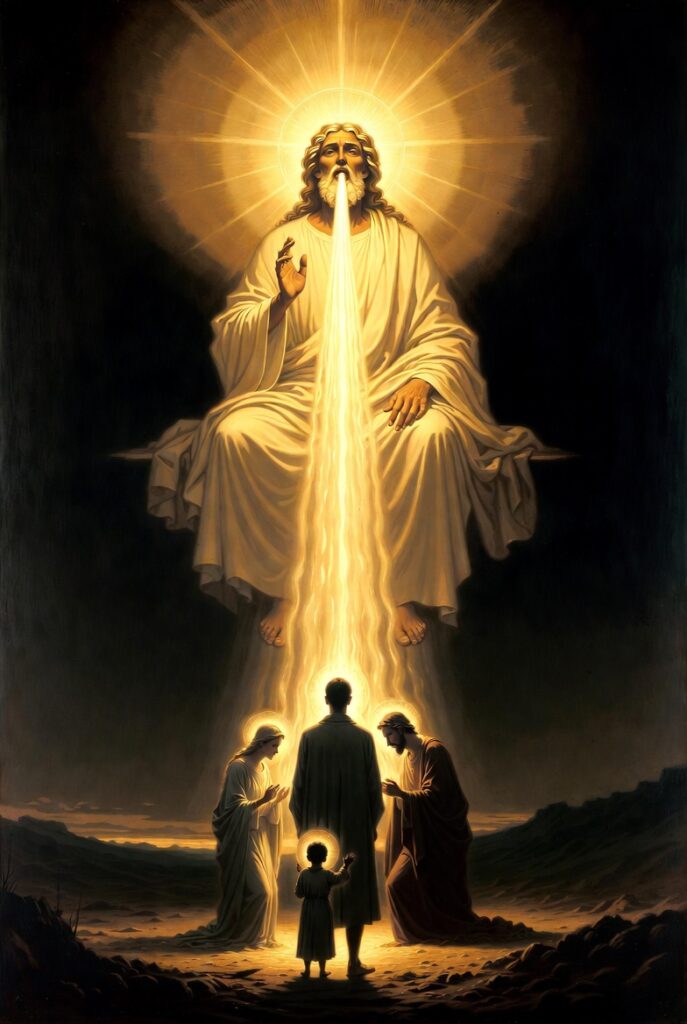
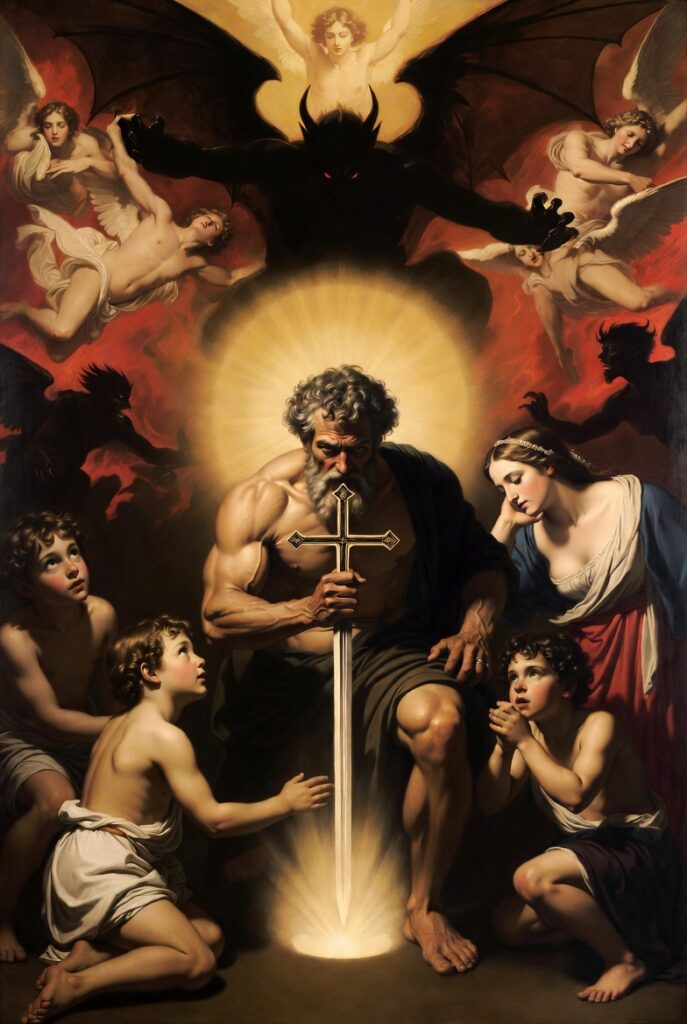
The Ambivalence of the Archetype – Wise King and Tyrant
Like every archetype, the father archetype has a light and a dark side. An integrated, positive father archetype provides support, wisdom, just guidance, and fosters independence. He often appears in dreams and myths as the wise old man, the benevolent king, or the protective mentor.
In his destructive, patriarchal shadow form, however, the father transforms into the tyrant. The negative logos becomes a rigid, life-denying dogmatism that stifles all spontaneity and emotionality. It is the dynamic of the "devouring father" (symbolized by the god Cronus, who devours his own children) that leaves no room for individual growth but demands blind obedience. On a psychological level, an overpowering, negative father complex leads either to rebellious self-destruction or to a chronic paralysis of one's own will.
Its Relevance in Modern Times – The Father Wound
In today's world, grappling with the father principle is of great importance. Personal experience with one's biological father opens the first window to this archetype. If the real father is absent, weak, or tyrannical, a wound is created in the foundation of the Logos.
Religion as a Catalyst – God, Father in Heaven!
The work of spiritual development is not about glorifying or condemning the real father. Rather, it is about activating the inner, archetypal father. A person – whether man or woman – must learn to develop their own inner Logos principle: the ability to stand up for themselves, set healthy boundaries, think clearly, and take responsibility for their own life. Only through the balance of Eros and Logos, of the maternal and paternal principles, does the psyche reach that state of wholeness, of individuation.
Religion is the only catalyst for activating these archetypes within us and transforming them into a living symbol.

The First Half of Life - The First Gate
The two halves of life are the two gates we must pass through. In the first half (unconsciously), adaptation to the external world takes center stage. Physical birth opens the gate of life. Here, the self is formed, the social role—the persona—develops, and the individual establishes themselves in the world through career, family, and responsibility. This phase is necessary and beneficial. It lays the foundation for healthy masculinity and femininity, for the family order with a father and mother, in which the child receives the first reflections of the divine.
Until midlife, we live somewhat one-sidedly, because we need a strong ego to navigate life. Younger people before midlife can even endure the seemingly complete loss of their anima without harm. In any case, a man should be able to manage to be a man. The growing young man must be able to free himself from the mother's anima-like fascination.
The Paradox – Symbolic Patricide as a Threshold to Maturity
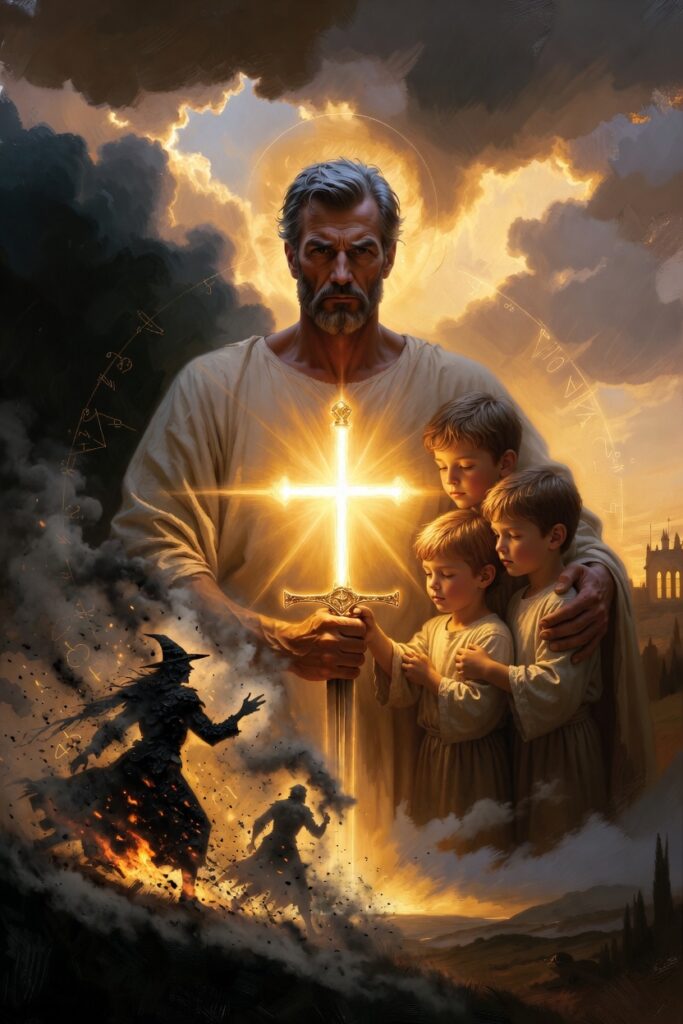
At the end of this first phase of life, when the ego has become strong enough to assert itself in the world, the individuation process demands another, profound cut: symbolic patricide. This is not an act of hatred, but rather the necessary dethroning of the paternal idol. While matricide liberates the man from the unconscious primordial soup and emotional dependence, patricide breaks the uncritical submission to the law and the father's expectations. The adolescent must topple the inner image of the father from his pedestal and recognize him as a fallible human being. Only those who summon the courage to symbolically "kill" the unlived dreams and dogmas of the father's generation and also endure their disappointment transform from a merely functioning son into an independent, inner authority. Only this newly acquired psychological backbone grants the ego the freedom to pass through the next gateway and encounter its own inner world.
The Difference Between Tyrannical and Good Fathers
The process of separation takes on different dynamics depending on the father figure:
- The Tyrannical Father: Here, the symbolic patricide is often a loud, aggressive act of liberation. It's about overcoming real psychological violence, oppression, and fear in order to create space for one's own self.
- The "Good," Loving Father: Here, the "murder" is paradoxically often more difficult. Because the father is so nice, there seems to be no reason to rebel. But individuation demands that you disappoint him by taking a different path than the one he wants for you. This "quiet" patricide is accompanied by feelings of guilt.
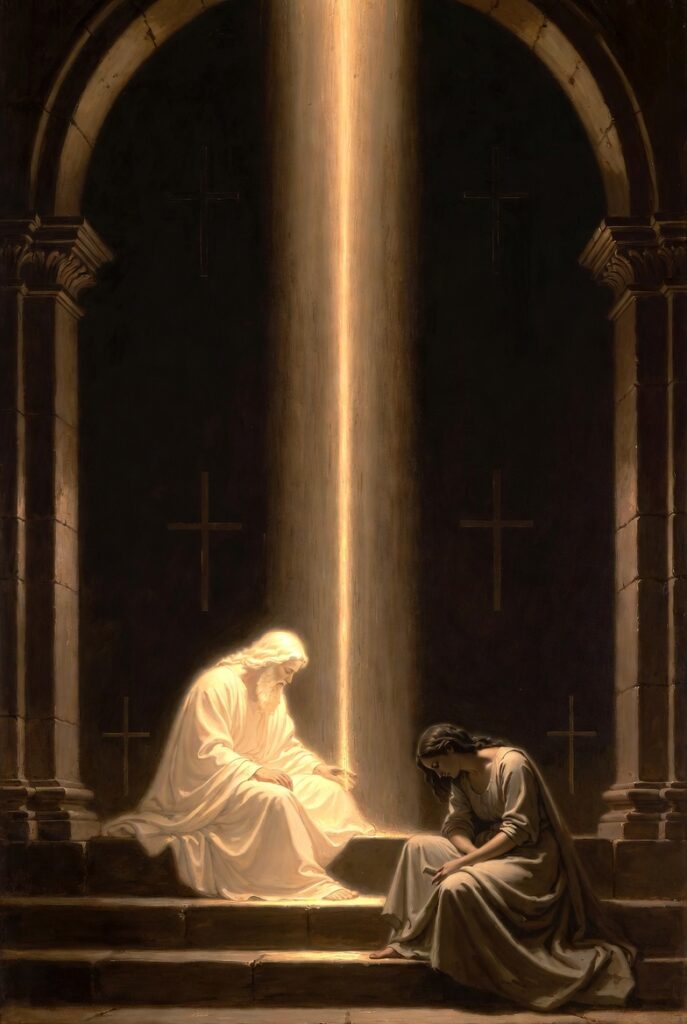
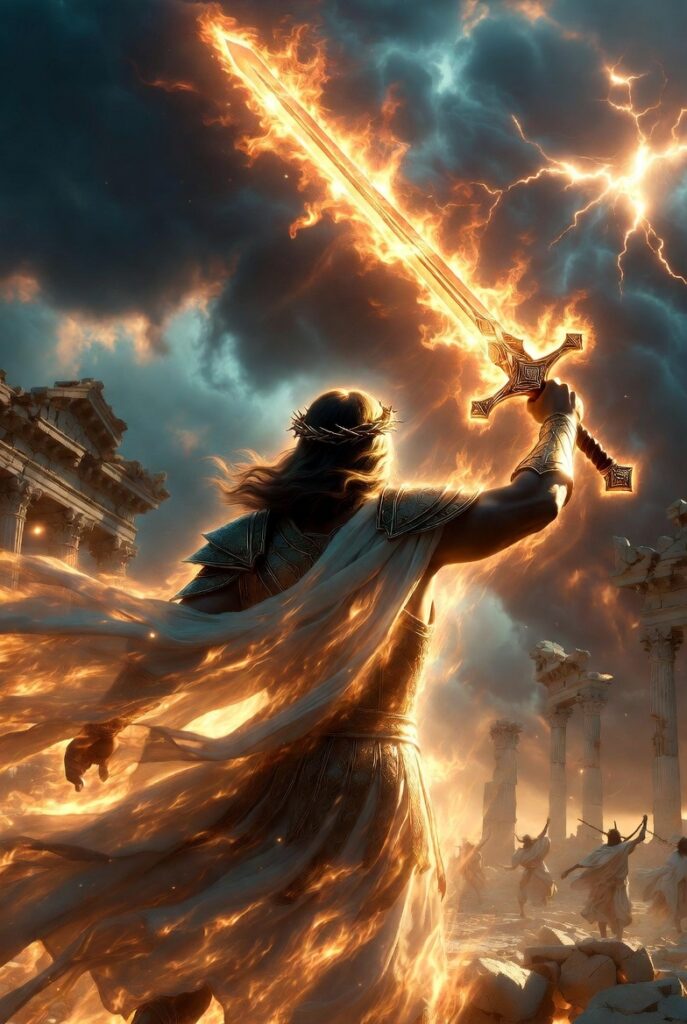
Why Rebellion Against a Tyrant Must Be Destructive and Liberating
When external authority becomes an absolutist ruler who leaves no room for the development of an individual self, a quiet, harmonious distancing is no longer psychologically sufficient:
- The overthrow of the despot: A tyrannical father rules through fear, control, or dogma. To break free from this stranglehold, the child's ego must summon an enormous, often furious, counterforce. Rebellion is the only language that can break the tyrant's paralyzing power.
- The struggle for existence: This dynamic is about bare psychological survival and liberation from total external control. The son or daughter must "overthrow the king" to even be allowed to exist psychologically and become an adult.
- The danger of getting stuck: The risk with this highly aggressive separation is that one becomes stuck in the role of the rebel. Those who fight only against the tyrant remain dependent on him, because the father remains the center of all action.
Only when this aggressive act of liberation has been accomplished, when the self can breathe freely, and the tyrant has lost his power, can the storm subside. Then, in the later stages, the transformation toward true, inner Logos and reconciliation with the ancestral principle can begin.
The “Silent” Patricide in the Case of a Good Father
When the relationship with your father is harmonious, loving, and supportive, distancing yourself often feels like a betrayal. This makes symbolic patricide psychologically highly complex:
- The Prison of Gratitude: Because your father “only wants the best,” it’s difficult to disagree with him. Any deviation from his values generates massive feelings of guilt.
- Disappointment as a Process of Maturation: The silent patricide doesn’t occur through conflict, but through the conscious acceptance of disappointment. You have to endure the fact that your father doesn’t understand or approve of your life, your choice of partner, or your career.
- From God to Human: You have to dismantle your inner image of your father. Only when you see that he is not an infallible advisor, but an ordinary man with his own fears and flaws, are you on an equal footing psychologically.
The Breakthrough in the Case of "Silent" Patricide
The breakthrough in the case of "silent" paternal murder (with a good, loving father) doesn't manifest outwardly through loud protest, but rather as a painful, inner psychological process of tearing apart. Since there is no tyrant to hate, the aggression necessary for any separation isn't directed at the father as a person, but at expectations, loyalty, and one's own conscience.
The breakthrough in the case of silent paternal murder is defined by the following key steps:
1. Consciously Enduring Guilt
Because the father is loving and "only wants the best," any distancing feels like a grave betrayal. The breakthrough here consists of enduring the guilt that arises when one rejects the father's model of life, his values, or his unfulfilled dreams. One must bear being the "bad kid."
2. The Ritual Breaking of Paternal Projections
This quiet act of liberation often occurs through a radical decision that deeply disappoints the father—be it choosing an "unsuitable" profession, leaving the family business, or pursuing a completely different life path. The act lies in consciously disappointing the father in order to live one's own truth.
3. Letting the "Divine Advisor" Die
As long as the father is the infallible role model, the child remains psychologically dependent. This act of liberation requires dethroning the father and seeing him as an ordinary, flawed, and often helpless human being. One breaks the projection of the "wise king" and releases the father from responsibility for one's own life.
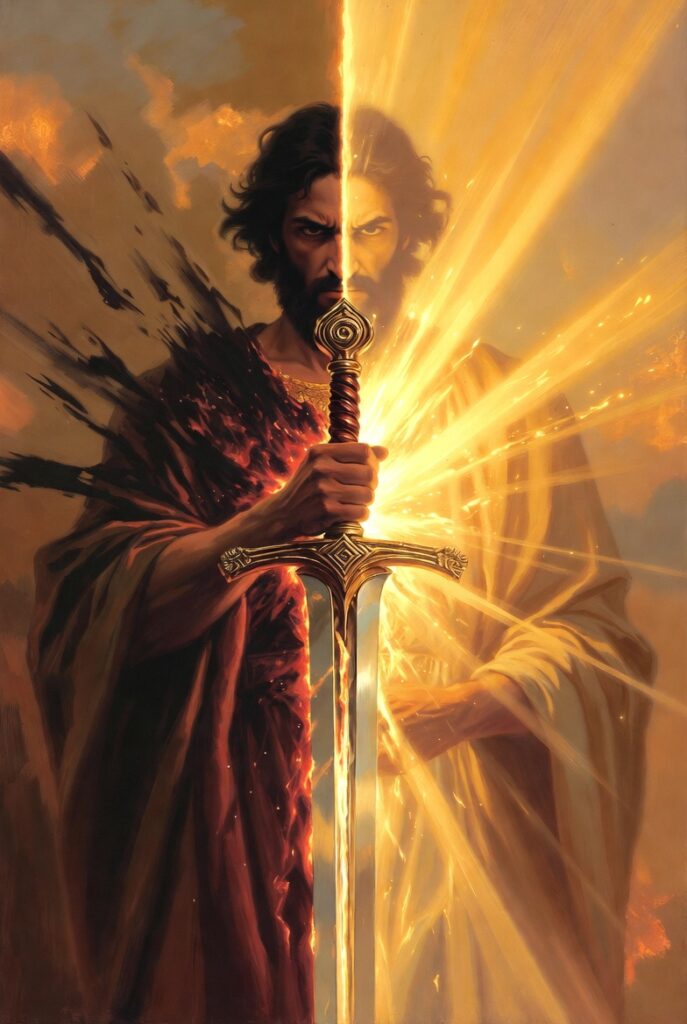
While the act of liberation for a tyrant is a storming of the fortress, the quiet act of liberation is the escape from the gilded cage. Both times the ego must break the paternal power – once through open rebellion, the other time through the painful maturity of bearing one's own guilt.
The Second Half of Life – The Second Gate
The symbolic matricide is essential for the first half of life; otherwise, the second phase cannot begin. In the second half of life (consciously), often coinciding with midlife, true individuation begins. Now the gate of dying opens – not the physical, but the spiritual death of the old self. Energy turns inward. The individual no longer seeks merely adaptation to the world, but adaptation to the unconscious, to the depths of the soul, and to the meaning that lies beyond mere existence. Here, spiritual birth takes place.
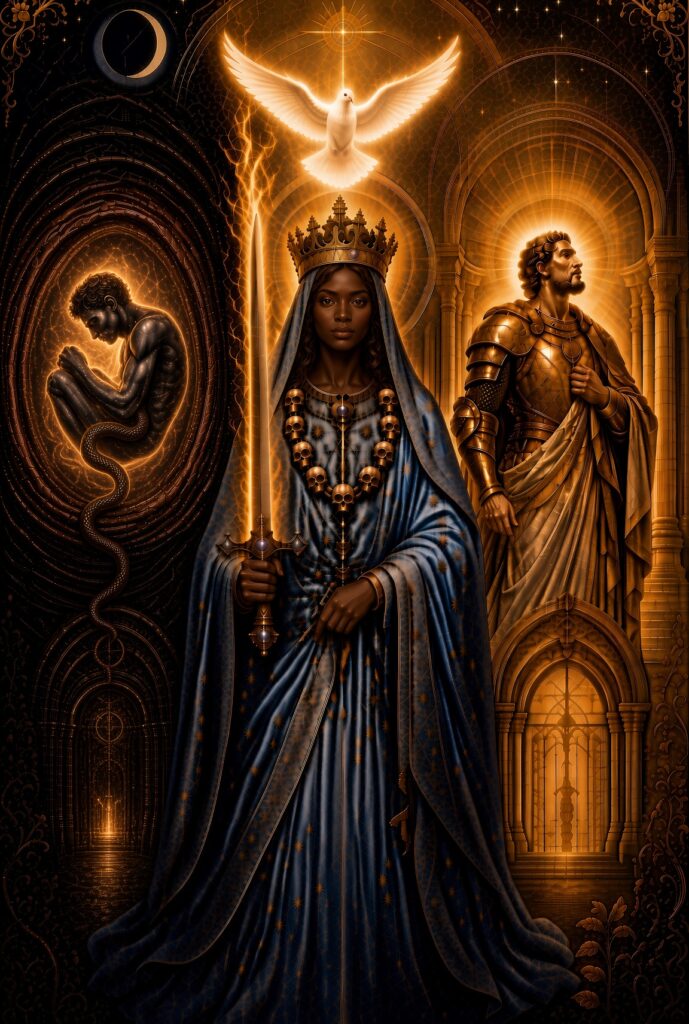
Step by step, the individual encounters the persona, the shadow, the anima and animus, and finally the Self. The persona is recognized as a mask and discarded. The shadow—the repressed—is accepted and liberated. Anima and animus are integrated; here the Black Madonna appears, the path to healthy femininity in love and the complement to healthy masculinity. In the end, the ego yields to the Christ within us—the Self.
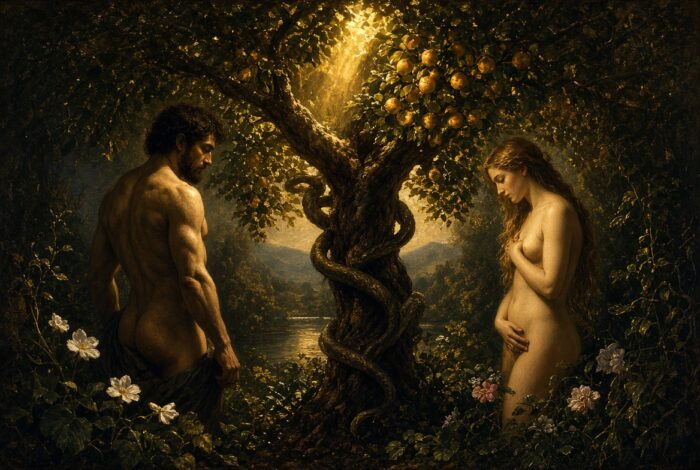
Duality is overcome, the Tree of Knowledge becomes the Tree of Life, and the soul returns to the Father in Heaven. In the Logos, which kills and simultaneously gives life, the soul finds its true home.
After midlife, however, a persistent loss of anima leads to a progressive decline in vitality, flexibility, and humanity. This typically results in premature rigidity, if not calcification, stereotypicality, fanatical one-sidedness, stubbornness, rigid adherence to principles, or the opposite: resignation, weariness, sloppiness, irresponsibility, and ultimately, a childish effeminacy with a tendency toward alcoholism.
The Necessity of Religion – A Tragedy of Modern Society
After midlife, the connection to the archetypal realm of experience should be re-established as much as possible (religion). No man can become a complete human being without a positive relationship to the archetypal feminine. Therefore, at the latest by midlife, he must (voluntarily or involuntarily) embark on a journey into the depths of his own shadow, for the integration of opposing forces and the discovery of the self. In religion, Jesus is understood as this living symbol, as the archetype of the self.
The tragedy lies in the fact that modern society distances men from the initiatory processes that once transformed boys into men, thus keeping them dependent on their mothers.
Authentic masculinity requires a psychological and religious journey that few men complete. As long as you do not make the unconscious conscious, it will determine your life, and you will call it fate. Carl Gustav Jung
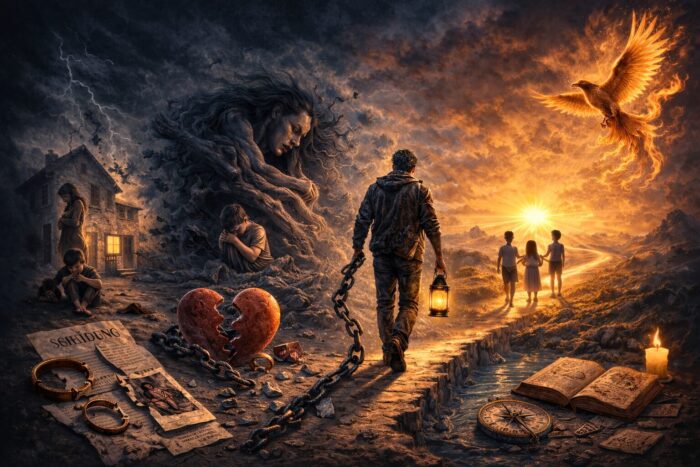
Divorce as an Involuntary Initiation Ritual
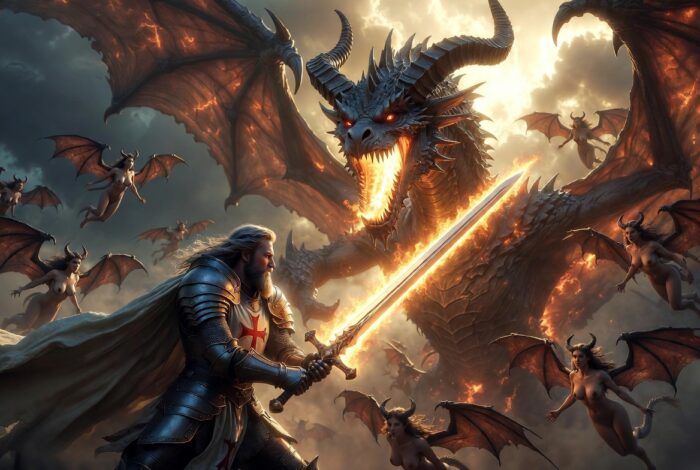
Divorce is an involuntary initiation ritual for men. It is about separation from the mother, and this is the quintessential religious process.
Without religion, into which he is initiated by older, mature men, he cannot separate from the mother. For the mother protects him from inner evil. As long as he does not assume this inner protective function through religion itself, he remains bound to her. Only religion gives him the strength and order to protect himself against the powers of darkness. Without this initiation, he repeatedly chooses the mother of death as his partner. And each time, the choice becomes a step more sick and toxic, until in the end he is killed by her—physically or spiritually. Only the religion received from the fathers breaks this deadly cycle.
Still Stuck with the Mother
Modern society has largely abolished the ritual initiation of men. There is school, sports, military service, and career, but there is rarely the orderly death of the boy before his fathers. There is rarely the eldest who says: You are now leaving your mother's tent. You will be exposed to the dangers of your own soul. You will return a changed man.
Where this ritual is absent, protection remains. The mother—physically or as an inner authority—protects the son from his own inner world. She dampens fear, shame, aggression, and longing. She keeps the chaos out. This is appropriate in childhood. In manhood, it becomes imprisonment. The adult man may be outwardly independent and inwardly unresolved: He continues to seek a sphere that holds him, comforts him, justifies him, and protects him from looking into his own shadow.
The Birth of a True Man - Double Crisis - Divorce and Midlife
When a marriage breaks down in midlife, the modern man experiences a fundamental crisis: He must simultaneously navigate the involuntary rite of passage of divorce and the transition into the second half of life. This double crisis is a direct consequence of our modern culture, which no longer offers voluntary rites of passage. Because the modern man no longer undergoes this transition of his own free will, he is forced into it by midlife. But precisely because passing through this crisis is now a free, individual decision, it possesses a thousand times greater value: If the modern man masters this double, religiously transformative test, he matures into a quality of manhood rarely seen before in history. He truly becomes a man of God!
Femininity – The Fiery Ray of Her Eros
Although the stages overlap and mutually interpenetrate, the path follows a recognizable order of confrontation with one's inner selves.
By directing the fiery ray of her Eros at the man, the woman compels him into a profound moral conflict, which constitutes the primary source of all consciousness. The arousal of conflict is a Luciferian virtue in the truest sense of the word. Conflict generates the fire of affects and emotions, and like any fire, this one has two aspects: that of combustion and that of light-generation. Emotion is, on the one hand, the alchemical fire whose warmth brings everything into being and whose heat burns away all superfluities; on the other hand, emotion is that moment when steel meets stone and a spark is struck: for emotion is the primary source of all consciousness. There is no transformation from darkness to light and from inertia to movement without emotion.
Thus, the troublemaker is herself seized by the disturbance; as the transformer, she herself is transformed, and by the glow of the fire she stirs up, all victims of the entanglement are illuminated and enlightened. What seemed senseless disruption becomes a process of purification. If this meaning of the function remains unconscious—that is, if it does not know that it is part of "that power which ever wills evil and ever works good"—then it will also perish by the sword that brings it. But awareness transforms it into a liberator and redeemer.
As long as you do not make the unconscious conscious, it will determine your life, and you will call it fate. Carl Gustav Jung
The Persona – The Social Mask
First, a person encounters their persona. They realize that the image they present to the world is not their true self. Breaking free from external expectations is the first act of freedom – a courageous step of reason and truth.
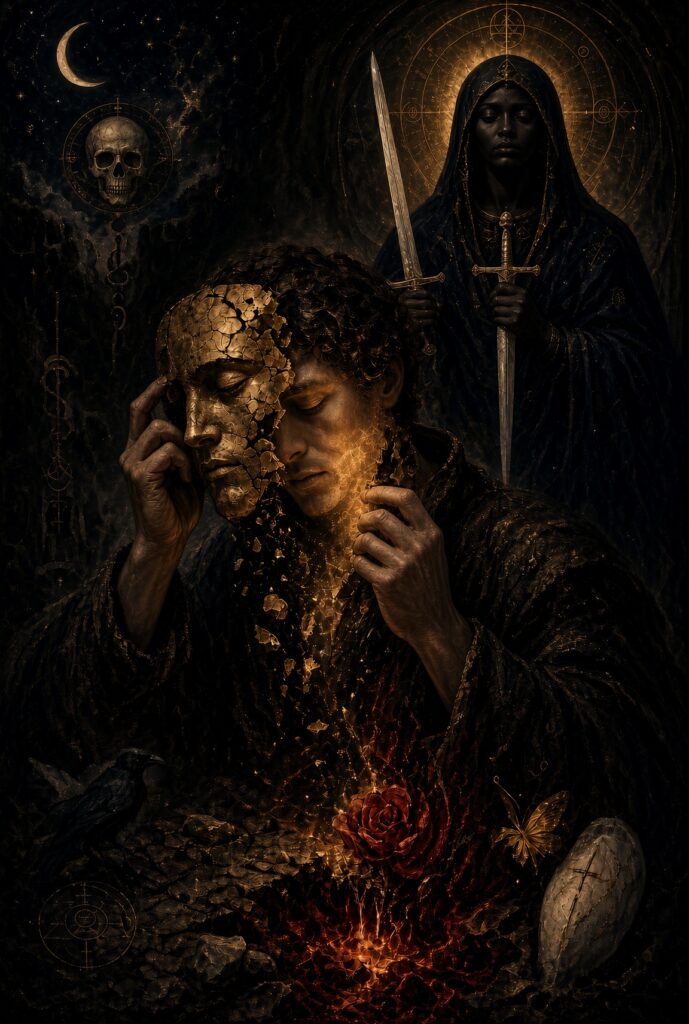
The Shadow – The Repressed Self – The Devil
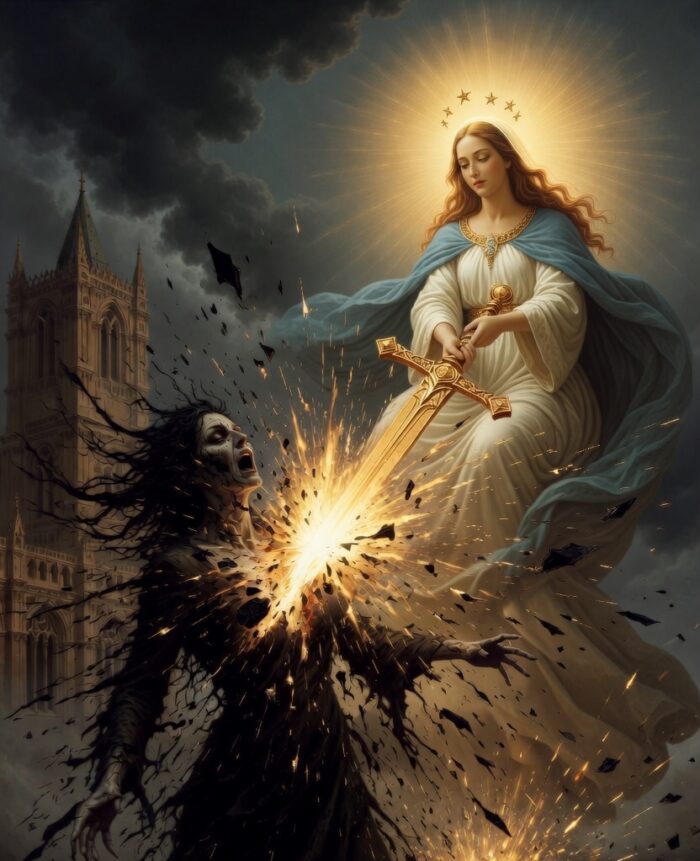
Then comes the encounter with the shadow. Here, one experiences evil not as an abstract idea, but as one's own rejected and hidden aspects. Integrating the shadow is often the most difficult part of the journey. Only those who accept these dark sides can liberate the life energy bound within them. Without this acceptance, the soul remains divided and powerless.
Anima and Animus – The Opposite Sex – The Black Madonna
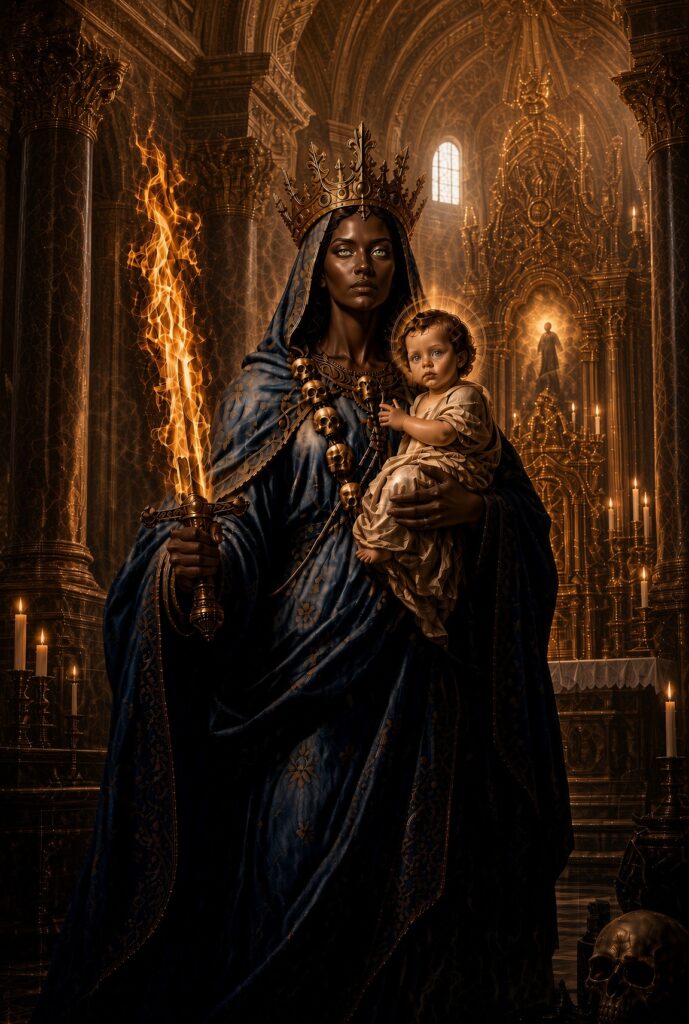
This is followed by an exploration of the anima and animus, the psychic image of the opposite sex. In men, it is the anima; in women, the animus. Their integration leads to a deeper connection with one's own emotional world and vital energy. Here, the symbol of the Black Madonna appears – Sophia, the dark yet luminous wisdom. She is the path to healthy femininity, which is not opposed to masculinity, but rather exists in love and complementarity. Only in this union of healthy femininity and healthy masculinity does the soul become whole and capable of true love.
The Self – Divine Wholeness – Christ
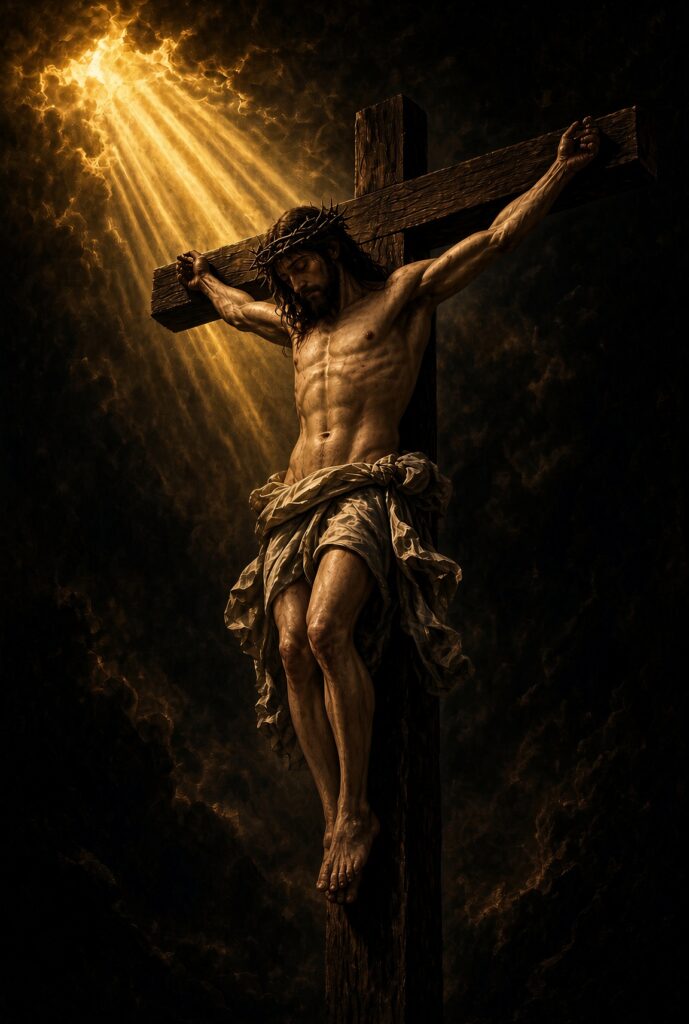
Finally, there is the Self – wholeness. The ego recedes as the center of the psyche and gives way to the Self. In Christian interpretation, this Self is the image of Christ within us: the divine Logos, who redeems and reconciles all fragmented egos. Here, the duality experienced at the Tree of Knowledge is transcended. With the Self begins the Tree of Life. The soul returns to the symbolic Father, the God in heaven, and in this conversion finds its liberation and its destiny.
Jesus Christ is the central, living symbol for the Self. He embodies the archetype of the God-man, representing wholeness, the inner union of opposites, and the path of individuation. Christ symbolizes redeemed humanity, while the crucifixion and resurrection reflect psychological processes of maturation.
What happens when men no longer have initiation rituals?
In a society without initiation rites for men, they remain dependent on their mothers and are consumed by the symbolic death mother. The men suffer from a chronic mother complex and inevitably become traitors and cowards, incapable of starting their own families.
In a sociological matriarchy (there is no religious matriarchy), women are happy, fat whores who boss men around. And men are thin, submissive, and nervous mama's boys who work the fields and do the work for the women. Wealth, the primal urges, sexuality without responsibility, and earthly happiness flourish. But there are no intellectual achievements whatsoever, a world of utter stupidity without religion or meaning, yet peaceful. Peaceful but stupid. (Marie-Louise von Franz)
When man and woman are at odds, the intelligent heathen reigns. When the king is mentally blind and absent, the queen inevitably becomes a witch (a death mother), devouring her own children and grandchildren, and needs eunuchs at her side to rule. When men are no longer men, women can no longer be women.
For the blessing of a father strengthens the houses of his children, but the curse of a mother uproots their foundations. Do not boast by dishonoring your father, for dishonoring your father brings you no glory. For a person's glory comes from their father's honor, but a mother with a bad reputation is a disgrace to her children.
The Mother Complex – A Fatherless Era
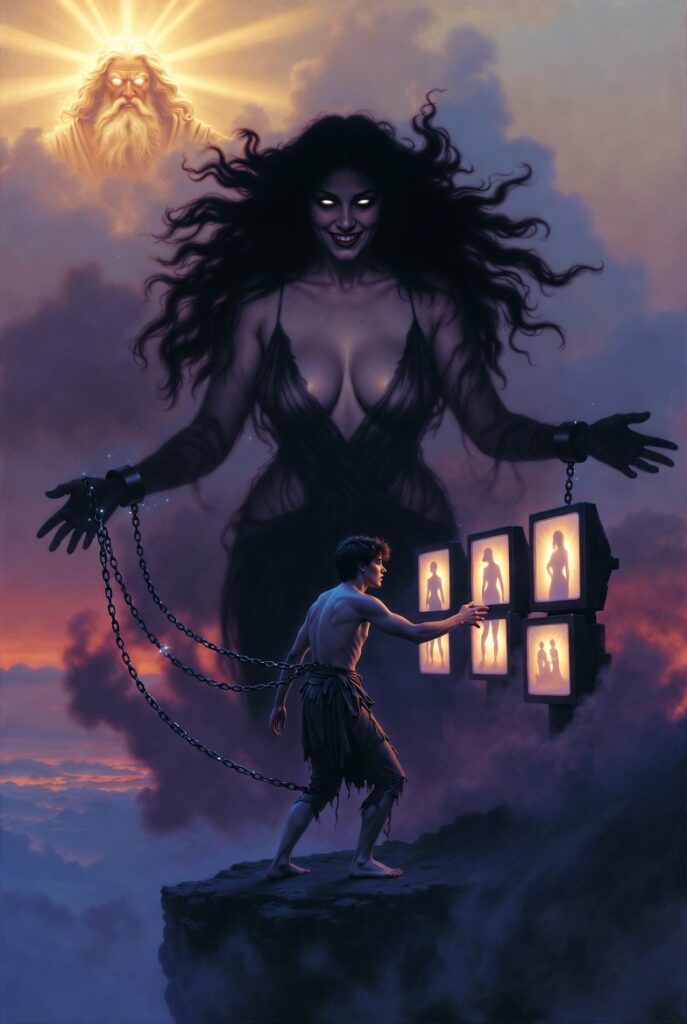
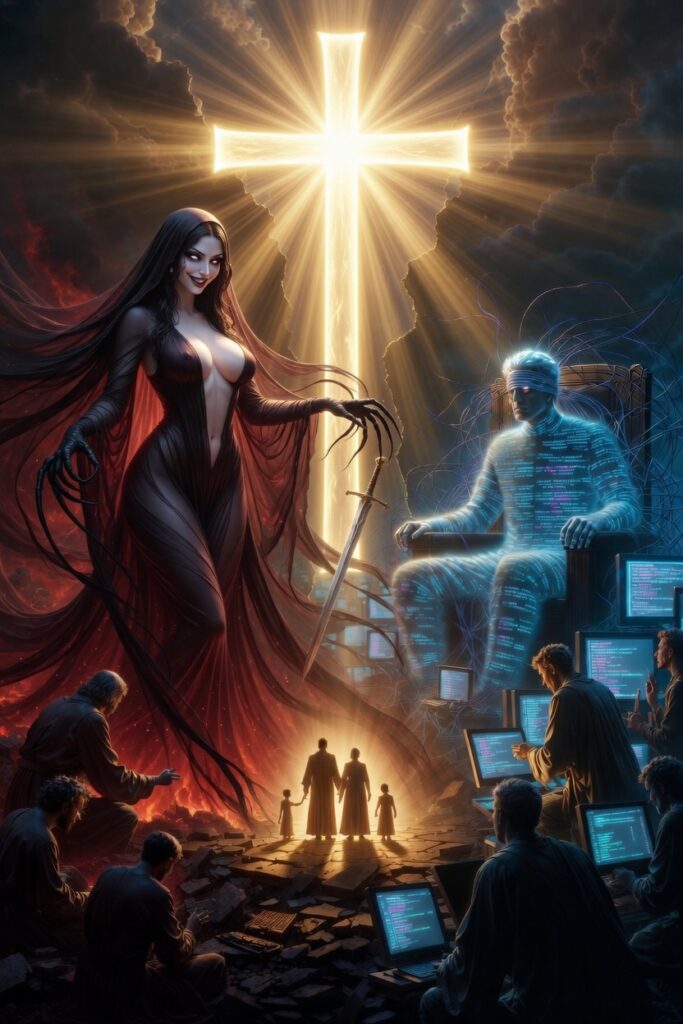
In our era, a profound fatherlessness prevails – not only physically, but above all symbolically. The heavenly father, that figure of boundaries, orientation, and supreme authority, has been dethroned. In his place arises an overpowering maternal matrix, which – reinforced by currents of modern feminism – is dragging society into a collective regression. The mother complex unconsciously binds the soul to the sphere of the Great Maternal: nurturing, embracing, yet simultaneously devouring and paralyzing if no conscious separation occurs.
The relationship with our mother shapes our entire lives, for it is our first psychological and physical precondition. But what happens when this early connection feels like an invisible shackle in adulthood? The term 'mother complex' is often bandied about in everyday language – mostly to disparage the classic 'mama's boy.' But there is far more to this phenomenon than a cliché. We understand this to mean a powerful bundle of internalized feelings, expectations, and unconscious patterns. These often subtly influence our self-esteem, our choice of partner, and our ability to form relationships throughout our lives.
Without the polarizing father figure—the principle of Logos, of law, of leading out into the world—human beings remain trapped in the womb. Men and women alike become eternal children: the Puer Aeternus and the Puella Aeterna, dependent on maternal affirmation, state welfare, or a surrogate mother figure in their partnership.
The Two Faces of the Mother Complex
A mother complex develops when the actual behavior of one's own mother unhealthily activates these archetypal forces in the child. Depending on how this initial attachment unfolded, psychology today distinguishes between two forms (negative and positive):
The Death Mother
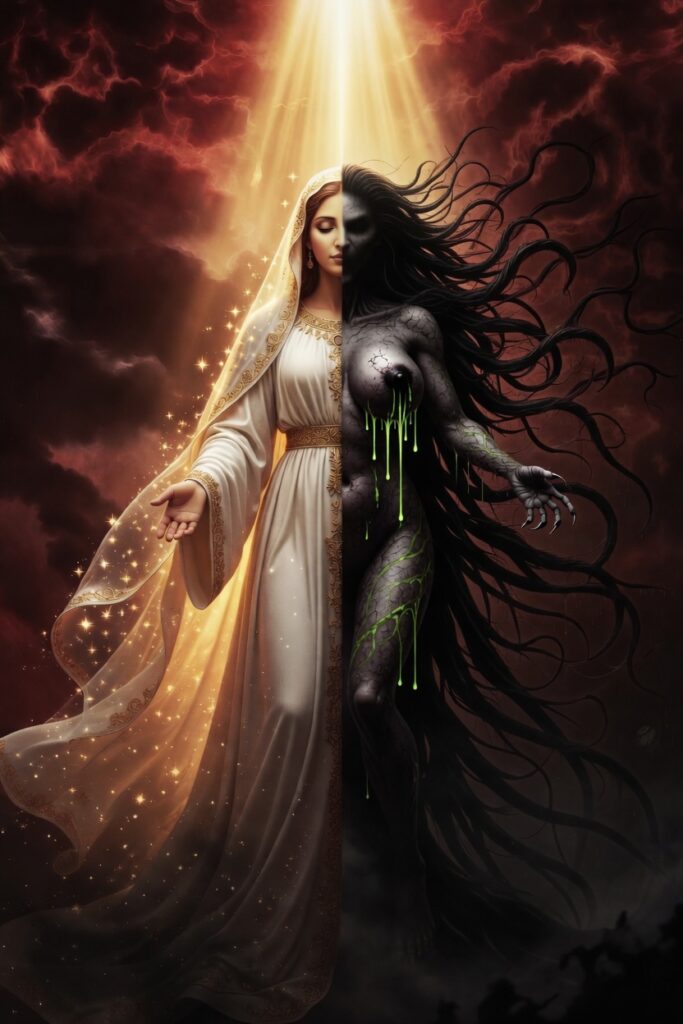
- Overwhelmed by Closeness: Here, the mother was often over-idealized or acted extremely overprotectively ("helicopter parent"). A strong, unconscious defense mechanism (called apotropaicism in psychology) leads to the mother being portrayed flawlessly in order to ward off the unconscious fear of her all-consuming power. Those affected were indeed pampered, but kept psychologically dependent. This is how the death mother emerges—not as a real woman, but as an archetypal pattern: she promises security, yet she stifles independence. Both genders remain trapped in dependency—on emotions, on institutions, on collective illusions of total security and endless well-being. The negative mother complex manifests as entanglement: possessiveness, emotional suffocation, regression into infantilism, or defense against the feminine (in sons: fear of women, hatred; in daughters: loss of self). It inhibits individuation, binds in dependency, and evokes the death mother—that force which devours development. Without conscious detachment and turning to the heavenly Father, the soul remains trapped in darkness.
- The wound of rejection: The mother was emotionally distant, cold, demanding, or unpredictable. The child experienced the dark, threatening side of the archetype. It grows up with the profound feeling of having to constantly earn love and the right to exist through conformity or achievement.
The Son's Mother Complex
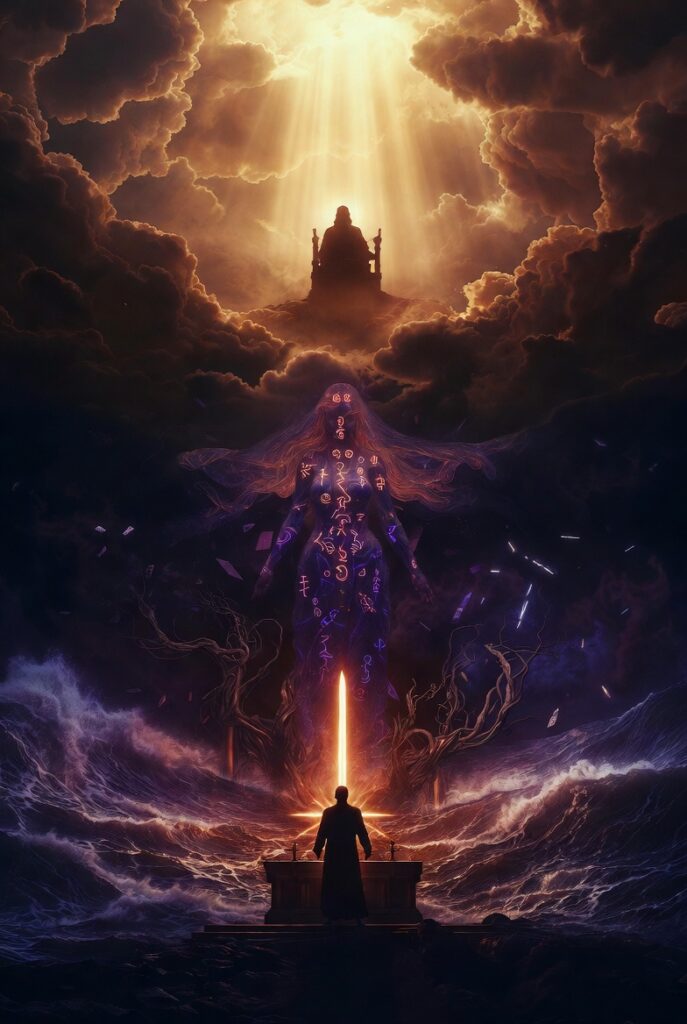
In sons, the mother complex often unconsciously binds their heterosexual libido to the mother image. Positively, it can bestow sensitivity and creativity; negatively, it can lead to homosexuality, Don Juanism (the search for the mother in every woman), impotence, or perpetual dependency. The unresolved complex keeps the man under the spell of the Great Mother and prevents him from encountering his own anima.
- The Eternal Youth (Puer Aeternus): With an overprotective mother, men find it difficult to emotionally detach. They remain children inside and unconsciously seek a partner who takes on the role of a "substitute mother," manages daily life, and relieves them of responsibility.
- Fear of Attachment as a Protective Mechanism: If the mother was controlling or possessive, the man develops a deep fear of intimacy. He unconsciously fears being emotionally "swallowed up" or dominated by a partner.
- The division within the world of women: Often, it proves impossible to combine sexual attraction with deep emotional intimacy. Women are either idealized as untouchable, pure saints (like one's own mother) or devalued on a purely physical level.
The Oedipus Complex and its Connection to the Mother Complex
The Oedipus complex describes the boy's early childhood libidinal bond with his mother and the resulting rivalry with his father. It is a specific manifestation of the mother complex: the son remains trapped in an erotic-affective fusion with the mother image and experiences the father as a threatening obstacle. The unresolved Oedipus complex leads to a fixation on the mother as the object of longing—and to an inability to integrate the father as a role model and authority figure.
In a fatherless society, this conflict is often no longer experienced: the real or symbolic father against whom the son could differentiate himself is absent. Thus, the Oedipal bond remains unresolved and culminates in regression to the Great Mother—without ever carrying out the necessary symbolic patricide and subsequent identification with the heavenly Father.
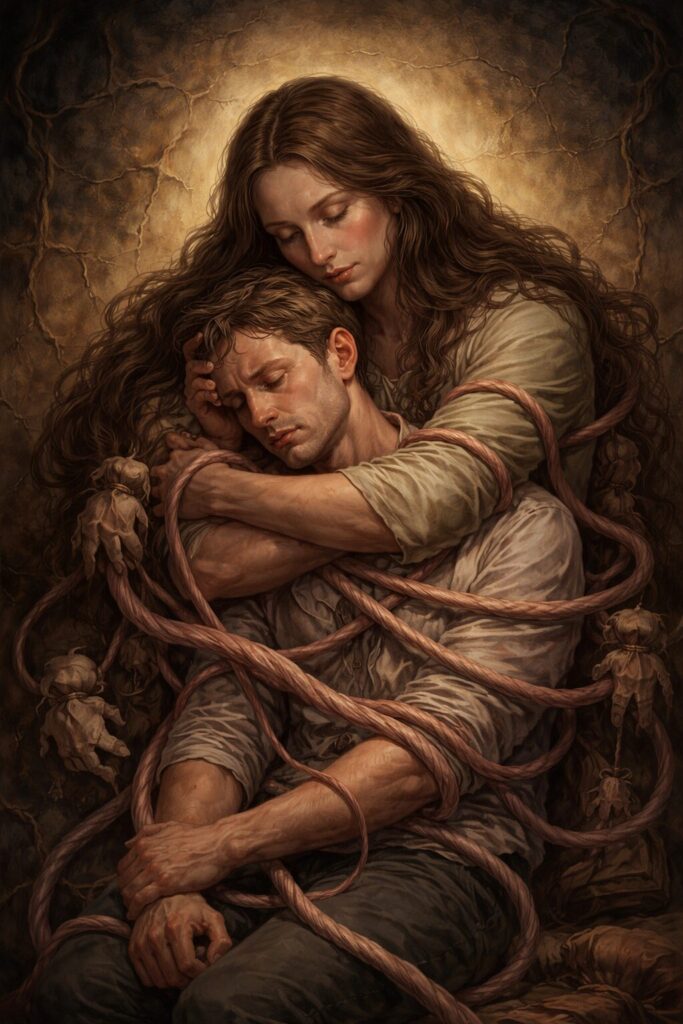
What happens in marriage when men no longer experience the initiation of masculinity?
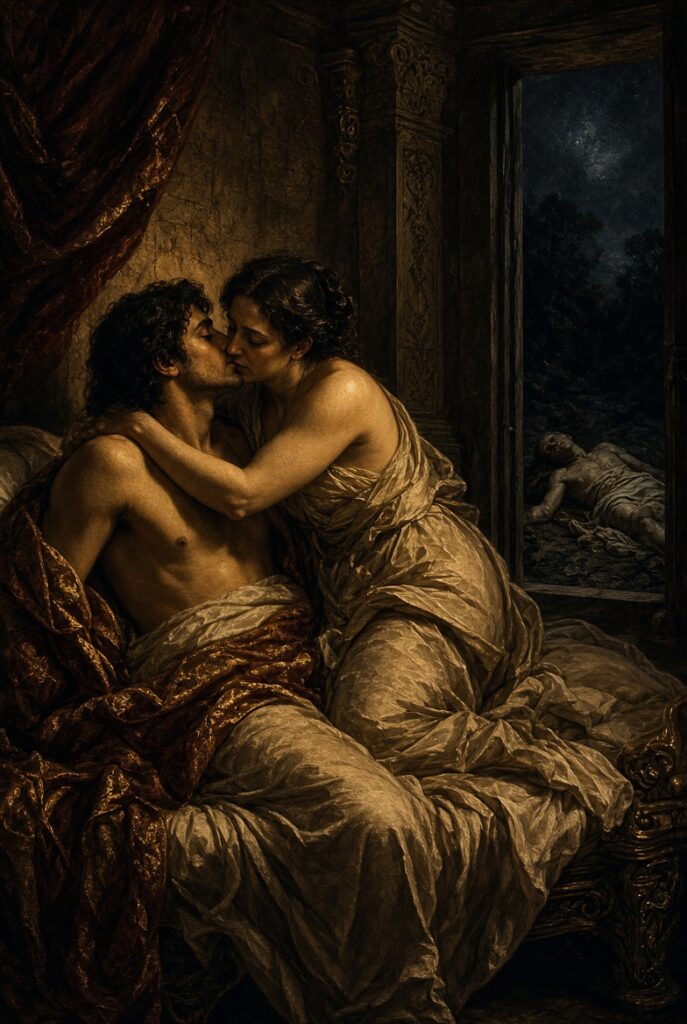
The consequence is that the anima, in the form of the maternal imago, is transferred to the woman, resulting in the man becoming, upon marriage, either childish, sentimental, dependent, and submissive, or, conversely, rebellious, tyrannical, and sensitive, always preoccupied with the prestige of his superior masculinity. The latter is, of course, merely the reverse of the former. The protection against the unconscious that the mother provided has not been replaced for the modern man, which is why he unconsciously shapes his ideal of marriage in such a way that his wife may have to assume the magical maternal role.
Under the guise of an ideally exclusive marriage, he is actually seeking protection from the mother and thus seductively caters to the woman's possessive instinct. His fear of the dark unpredictability of the unconscious gives the woman an illegitimate power and shapes the marriage into such an intimate community that it constantly threatens to break apart due to inner tension - or he does the opposite in protest with the same success.
Chronological Adults with Adolescent Psychology - The Eternal Boy
Modern society has abandoned these initiation rituals, leaving men helpless in their development, expected to become men without guidance during this profound inner transformation.
The result is generations of chronologically adult men who were never properly initiated into mature manhood. Initiation in traditional cultures was not merely ceremonial. It fulfilled important psychological functions. It separated boys from maternal influence, introduced them to male wisdom traditions (religion), confronted them with their limitations through trials, and granted them recognition within the male community. All these elements facilitated the psychological shift from boyhood to manhood consciousness. Without them, men remain in a state of unclear identity.
The uninitiated man typically exhibits several telltale signs: He lacks firm boundaries, struggles with self-discipline, constantly seeks validation, competes inappropriately with other men, idealizes or demonizes women, and experiences chronic insecurity about his masculine identity. He may compensate for this through hypermasculine behavior or withdraw into passivity, but neither of these approaches resolves his underlying developmental gap. Despite his adult responsibilities, he remains psychologically adolescent.
This developmental stagnation has profound consequences. Uninitiated men often seek pseudo-initiations through destructive behavior, excessive risk-taking, substance abuse, violence, and sexual conquest. Others retreat into perpetual adolescence and avoid adult responsibilities altogether. Neither path leads to authentic masculinity—that is, conscious initiation rather than regression or compensation.
Modern men must create their own initiatory experiences, as society no longer provides them. This requires seeking out older, psychologically mature men as mentors who are willing to take oral exams that challenge one's limits, studying male wisdom traditions, and finding male communities that support authentic development rather than reinforcing identification with the person.
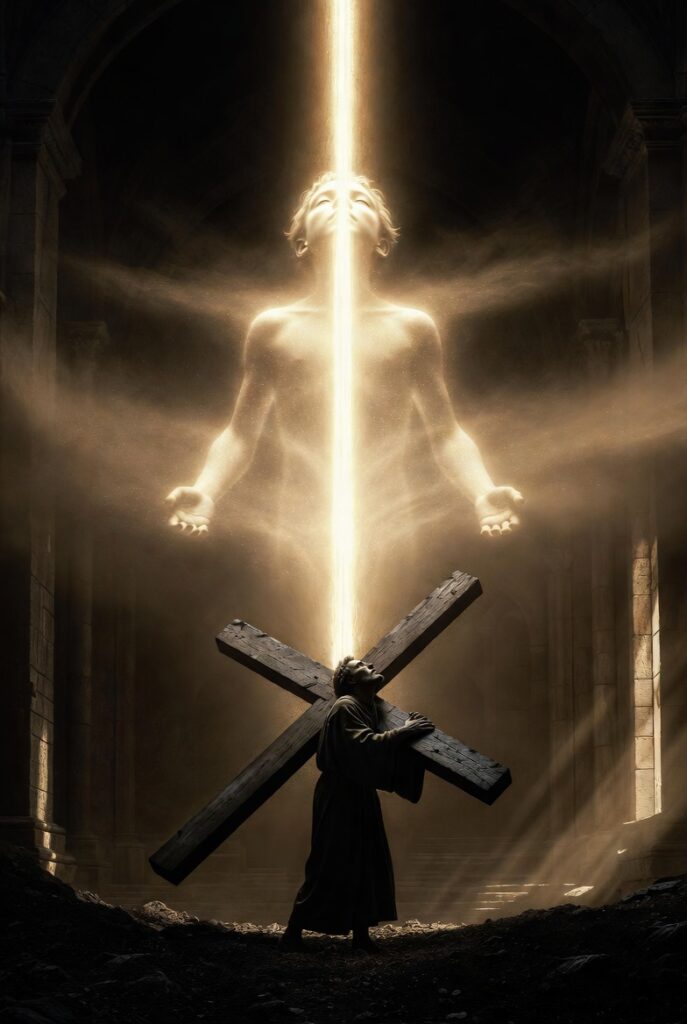
The Uninitiated Man Must Seek His Own Initiation
Without this conscious engagement with the initiation process, men remain in a state of developmental inhibition, emotionally attached to their mothers. They function like adults, but they lack the psychological transformation that makes boys into men.
The greatest burden a child must bear is the unlived life of their parents. Uninitiated fathers cannot initiate their sons and thus create generations of psychologically incomplete men who pass on their developmental gaps to their children.
A True Men's Community - The Necessary Death of the Mama's Boy
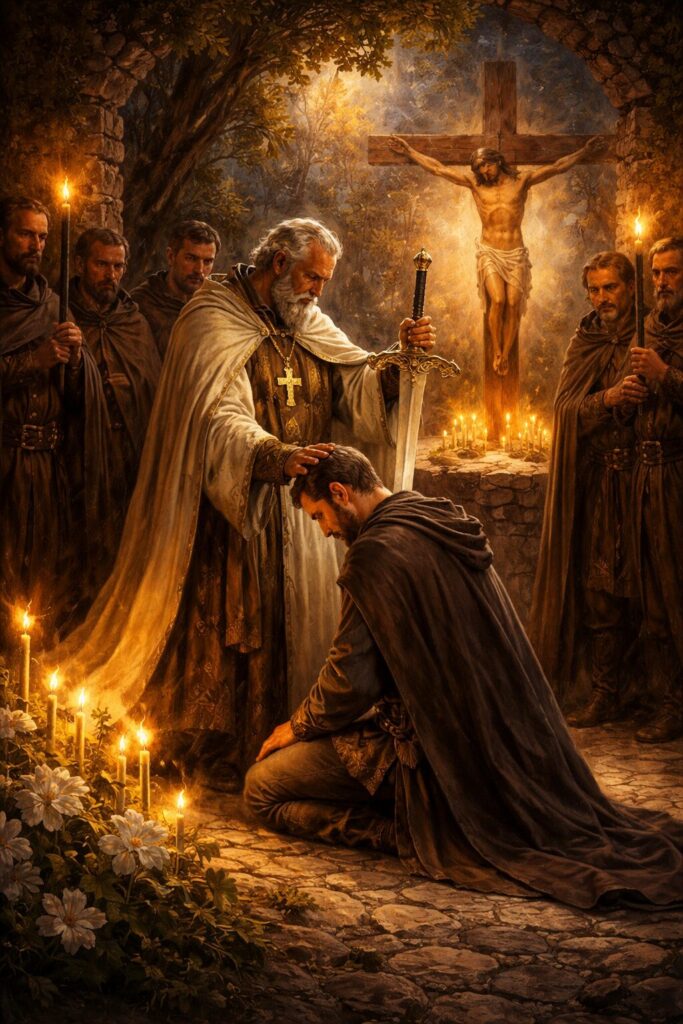
The initiation of manhood is inextricably linked to a true men's community, as only an unambiguous hierarchy and the undisputed seniority of the elders create the binding framework for separation from the maternal world. A boy grows up in the protective sphere of his mother, but the step to manhood requires the conscious transition into an ordered network of fathers and brothers. In this structure, every man has his fixed place, measured by maturity, experience, and proven worth. Without this social home, a man remains existentially isolated—especially in crises such as divorce, this has fatal consequences. Anyone who has completely delegated their social life to their wife (mother) plunges into a profound social homelessness when the relationship breaks down. Herein lies the incomplete separation: A life that, after the separation, clings only to the gaze of the ex-partner perpetuates the old maternal bond under a new name.
True brotherhood tolerates no formless conformity, no whining, and no shared animosity. It demands submission and discipline under a clear order:
- The leadership of the seniors (elders): They embody the highest authority of the community. As initiated leaders, they assess the maturation process, correct the ego of the younger member without false sentimentality, and assign him his place.
- The hierarchical ascent: The young person enters the community as a learner. He must prove himself through reliability, work, and the assumption of responsibility in order to rise in the hierarchy.
- Shared values and prayer: Spiritual stability and unshakeable principles form the foundation to which every individual—from novice to senior—submits.
- Protection and support: The hierarchy does not exploit the weaker but supports him in times of crisis, as long as he is willing to submit to the order.
Only by being placed within this male hierarchy does a man become capable of performing the most difficult part of his rite: to die as a mama's boy of the old order, in order to live on as an unshakeable man. He later assumes his role as the rightful head of the family and secures its non-negotiable order – for only men who have learned to obey and submit to the will of their father later possess the authority to raise other men and become fathers themselves.

The Individuation Process – The Chronological Sequence
The individuation process usually unfolds in these successive steps – although the individual stages overlap considerably:
- The primal unity: Identification with the parents and family (childhood).
- The first separation (“matricide”): Psychological navel-gazing. Leaving the maternal protective space in order to develop a separate self.
- The patricide: The self rebels against the external order, values, and expectations of the father/society. The ego anchors itself in the world and establishes its own authority.
- The persona formation and crisis: The self creates a social mask (persona) for success in the world but eventually discovers that this mask is hollow.
- The encounter with the shadow: The integration of repressed, dark, or unlived aspects of the personality (beginning of actual inner individuation).
- The integration of anima/animus: Confrontation with the inner opposite-sex aspect.
- The realization of the self: Finding the inner center where the ego is no longer the ruler, but serves the higher whole (the self).
The Sacred Paradox of the Father: The King's Sacrifice
The deepest paradox of the mature, initiated father lies in his tragic yet sublime dual role: He must be the rock against which the child finds support, and simultaneously the obstacle against which the child must rub in order to grow. A truly paternal Logos draws the son from the paralyzing womb of the mother, not to raise him as a subservient image of himself, but to equip him with the psychological tools for the world. The father builds the fortress of discipline, order, and law, knowing full well that the son will one day have to storm this fortress. If the father fails in this duty, the children inevitably remain dependent on the mother—trapped in the unconscious womb that allows no maturity.
From Sacrifice to Rebirth
The initiated father, however, withstands the pressure until the developing ego is strong enough to carry out the symbolic patricide. He allows his own monument to be toppled from its pedestal. He endures the bitter disappointment when his son embarks on his own, often completely different, path and abandons his father's dogmas. He sacrifices his absolute rule so that the child can become king in his own realm.
Yet this symbolic death of the father is not a license for aimless destruction or perpetual hatred, but a sacred transition. The wise man is not afraid of this dethronement, for he sees deeper into the mysteries of the lineage and divine law. He knows that while the son must overcome his father's authority, he must, at its core, deeply respect it. For it is written:
A father's blessing strengthens the houses of his children, but a mother's curse uproots their foundations. Do not boast by dishonoring your father, for dishonoring your father will not bring you glory. For a person's glory comes from their father's honor, but a disgraced mother is a disgrace to her children.
The Resurrection of the Grandfather
For the "death" of the father is the prerequisite for the rebirth of the grandfather. As an archetype, the grandfather possesses an even more powerful, sacred quality than the father. While the father is trapped in the everyday struggles of the ego, forced to set boundaries and punish, the grandfather is freed from this earthly burden. He embodies the perfected Senex—pure, unwavering wisdom and the transcendent source of the Logos. His power is no longer dominant, but initiating; it is not derived from coercion, but from the infinite blessing of origin. As a venerable ancestor, he transcends the personal self and becomes the guardian of the divine ground of being, to whose honor generations look with reverence.
Oedipus or Man?
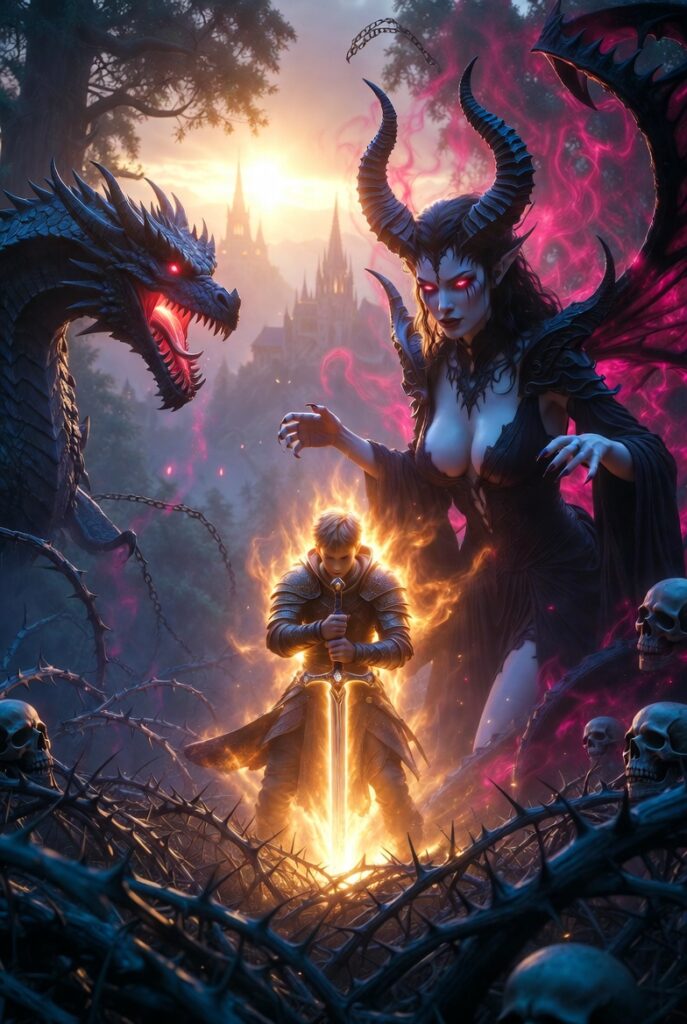
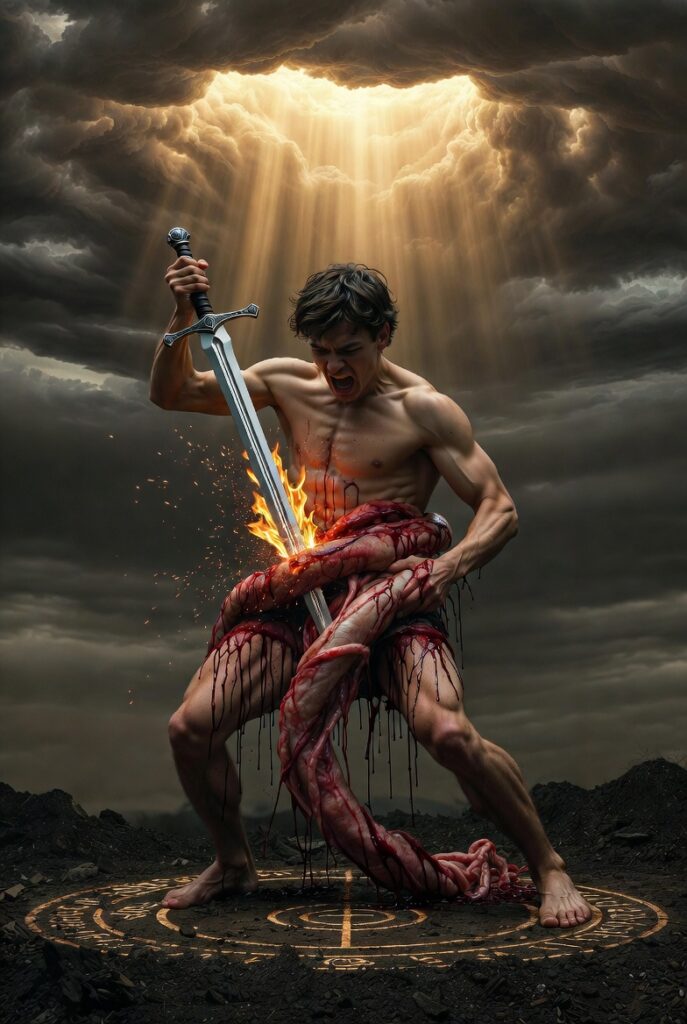
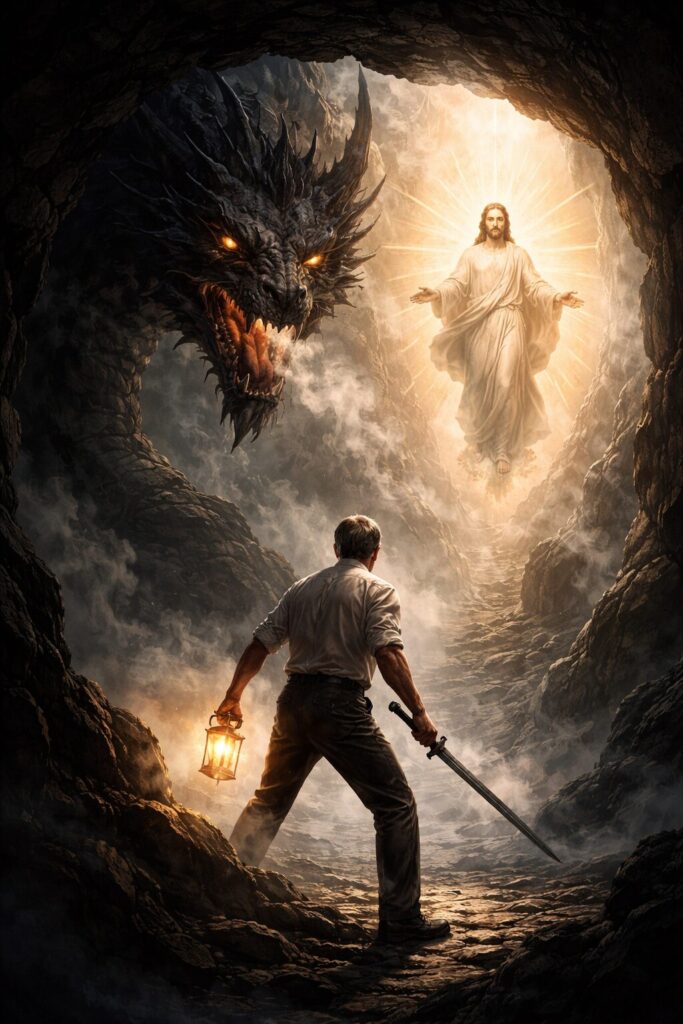
You want to kill the father? Then draw your sword! But beware the Oedipal deception of your ego: If you overthrow the ruler only to crawl back into the warm, paralyzing womb of your mother, you haven't committed patricide—you've castrated yourself and are lying in bed with your mother. You are then not liberated, but a traitor and a coward in the exile of childhood.
True symbolic patricide is not a retreat, but a departure. It demands letting go of the father's protective hand, not to return to the security of your mother, but to face the harsh reality of the world, of death. You must overcome the father to accept his legacy and lay the foundation deep within yourself to mature into a father yourself. You must break his law to become the law yourself. Only when you are ready to wear the crown of sacrifice will you become a father yourself.
Back to merger or forward into responsibility!